When the Wireframe Disappears: AI Design Without Losing The Objective
Over the past year, many product teams have started experimenting seriously with AI-driven design tools like Figma Make, Lovable, and Base44 among many others. What we’re seeing is remarkable: polished, high-fidelity interfaces generated in minutes. Entire screen flows appear rapidly, complete with layouts, interactions, copy, and design systems. What used to take days or weeks can now happen in a single working session.
That kind of speed is exciting. It could also be destabilizing.
For product and UX leaders, the challenge has shifted. It’s no longer about how to design faster. It’s about how to make sure speed doesn’t quietly outrun the overall objective. It also means knowing how this new way of working changes project outcomes.
The new reality: AI collapses the design timeline
For a long time, wireframes played a useful—if often unglamorous—role in product development. They weren’t about aesthetics or deliverables. They existed to structure user experience design just enough to force clarity: clarity around flows, assumptions, edge cases, and requirements before teams committed to polish or build.
AI-powered prototyping has changed that sequence almost overnight. Teams can now jump straight from a prompt to something that looks finished, bypassing the low-fidelity stages that once created space for debate and validation. In many cases, that acceleration is exactly what teams want—and need.
But it also means the moments where alignment used to happen are not built into the design process. If teams aren’t careful about intentions, those conversations could get deferred until later, when change is harder and more expensive.
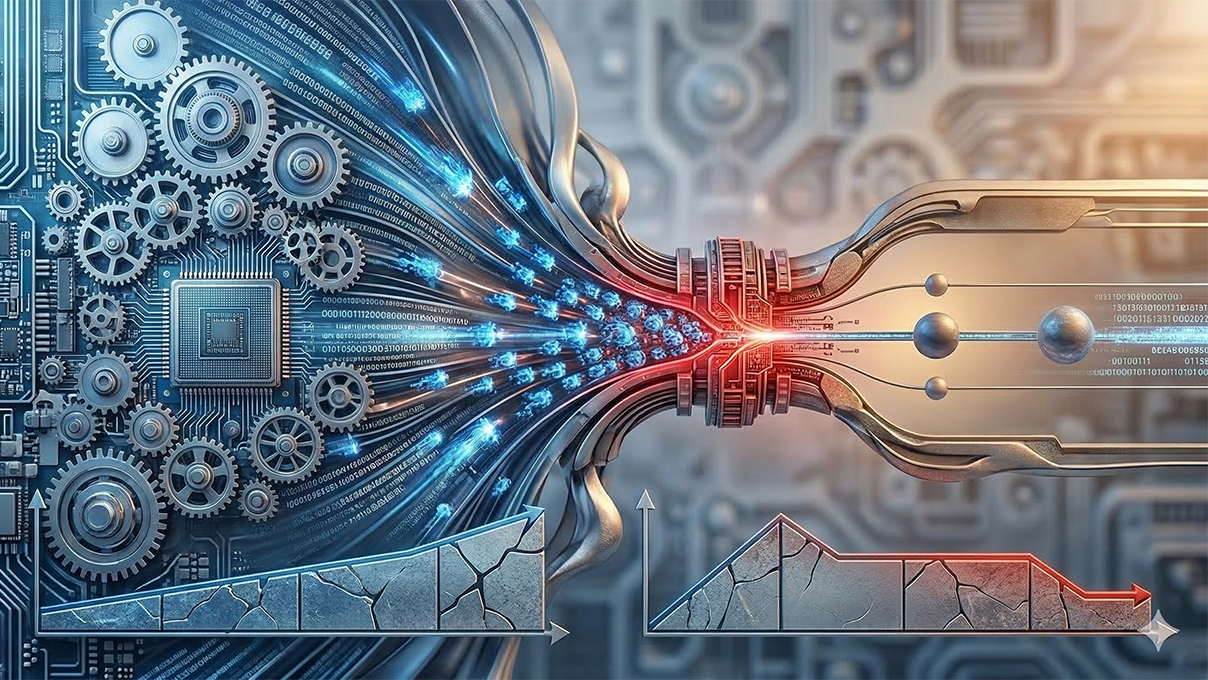
The hidden risk of AI-generated design
High-fidelity design has always shaped perception. When something looks complete, people respond to it differently. We see this play out all the time: stakeholders focus on refinements instead of fundamentals, and conversations shift from “Is this the right user experience?” to “Can we just build this?”
AI adds another layer. These tools don’t just render screens—they infer. They fill in gaps, make judgment calls, and attempt to complete the picture based on patterns they’ve learned from other products, industries, and use cases. Sometimes that inference is helpful. Other times, it introduces assumptions the team didn’t intend to make. Multi-step flows appear where none were discussed. Unexpected features surface because they feel logical to the model, even if they don’t align with user needs or business goals. Teams have new things to evaluate they never contemplated before.
Because these designs arrive fully formed, those assumptions can slip through early reviews unnoticed. We’ve seen cases where an AI-generated flow introduced additional steps or features that no one explicitly asked for, simply because they matched a familiar pattern. The design looked polished and could have sent the team forward but it needed human-in-the-loop insight to evaluate. If that step didn’t happen, the feature could wind up in build or validation—creating more rework in development.
The risk isn’t that AI produces bad design. The risk is moving forward with confidence on work that hasn’t been fully evaluated—because the output looks finished even when the underlying problem, assumptions, or tradeoffs haven’t been resolved.
Wireframes didn’t disappear, their purpose changed
Wireframes were never the point. Their value was in what they enabled: a way to think through intent, structure, and sequencing before fidelity shaped the conversation.
In an AI-driven design process, that function still matters just as much—but it no longer happens by default. When teams move straight to polished artifacts, the discipline that earlier design stages once enforced can quietly disappear.
What matters is whether teams still have a reliable way to do the hard thinking that used to happen early—thinking through intent, flow, assumptions, and tradeoffs before momentum makes those conversations harder. How will these prototypes help create sensibility for processes, sequences, interactions, and lay the groundwork for shipping products?
When artifacts arrive polished from the start, teams need other mechanisms to pause, surface assumptions, and validate direction before decisions begin to feel inevitable.
A practical way to navigate this shift
From what we’ve seen in real product work, teams that use AI effectively don’t slow everything down—they slow down selectively. A few guiding principles make the difference.
First, they separate exploration from commitment. Early AI-generated designs are treated as conversation starters, not conclusions. Fidelity is allowed, but decisions require discussion so that intent and flow are validated logically.
Second, they make assumptions visible. When AI fills in gaps, teams explicitly call out what was inferred versus what was specified, so nothing quietly becomes “true” by default.
Third, they create intentional pause points. Before designs move forward, teams stop to ask whether the experience actually reflects user needs, business goals, and technical reality—not just whether it looks compelling.
Finally, they anchor accountability with people, not tools. AI accelerates the work, but judgment, tradeoffs, and outcomes remain human responsibilities.
What product and UX leaders should insist on
As design accelerates, leadership judgment becomes more important, not less. Teams need clear expectations about how AI tools should be used and where responsibility still sits—specifically, with the people accountable for product outcomes. AI can propose, generate, and accelerate, but it does not own decisions about user experience, business tradeoffs, technical feasibility, or risk. Those responsibilities remain firmly with product, UX, and engineering leaders.
Leaders should insist that intent is articulated before acceleration, so speed amplifies clarity instead of bypassing it. They should expect visibility into the assumptions AI tools are making, because that’s where risk is exposed. Just as importantly, stakeholders need to understand when they’re reacting to interim concepts versus validated solutions—especially when fidelity is high so early in the process.
Teams also need shared context as designs evolve. Prompt history, rationale, and iteration paths matter, particularly across distributed teams. And no matter how sophisticated the tools become, accountability for outcomes doesn’t move. AI can accelerate output, but judgment remains a human responsibility.
Turning speed into understanding
At 3Pillar, we’re actively using AI-driven prototyping to accelerate discovery and alignment—but never at the expense of understanding. We’ve learned that speed alone doesn’t create value. Decisions do.
That’s why we pair AI-enabled acceleration with deliberate sequencing, guardrails around fidelity, and strong UX and product judgment grounded in positive delivery of shipped products. In practice, that often means using AI to explore multiple directions quickly, then deliberately narrowing focus before anything is treated as settled. When teams take that extra step, they avoid rework later and maintain alignment even as speed increases. The goal isn’t to move faster for its own sake. It’s to make better decisions earlier, when teams still have room to adapt and align.
Moving forward
The conversation isn’t really about wireframes versus prototypes anymore. It’s about whether product teams have an end-to-end approach that balances speed with clarity, automation with judgment, and momentum with alignment.
AI has changed how design work begins. What hasn’t changed is the braintrust created in design thinking and situational awareness around product: something only human intelligence can supply.
This perspective is informed by hands-on UX work exploring how AI-driven prototyping is reshaping design practice. For a deeper, practitioner-level exploration—including tools, examples, and tradeoffs—I’ve shared a longer-form essay on my LinkedIn with live examples.